Be a Creator, Not A Hater
In the climactic scene of Mean Girls, which spends a movie exploring how teenage girls try to destroy each other through rumors, gossip and social manipulation, the main character is at the mathlympics and has to figure out the limit of a function. But instead she just starts thinking all these cruel things to say about the girl on the other team.
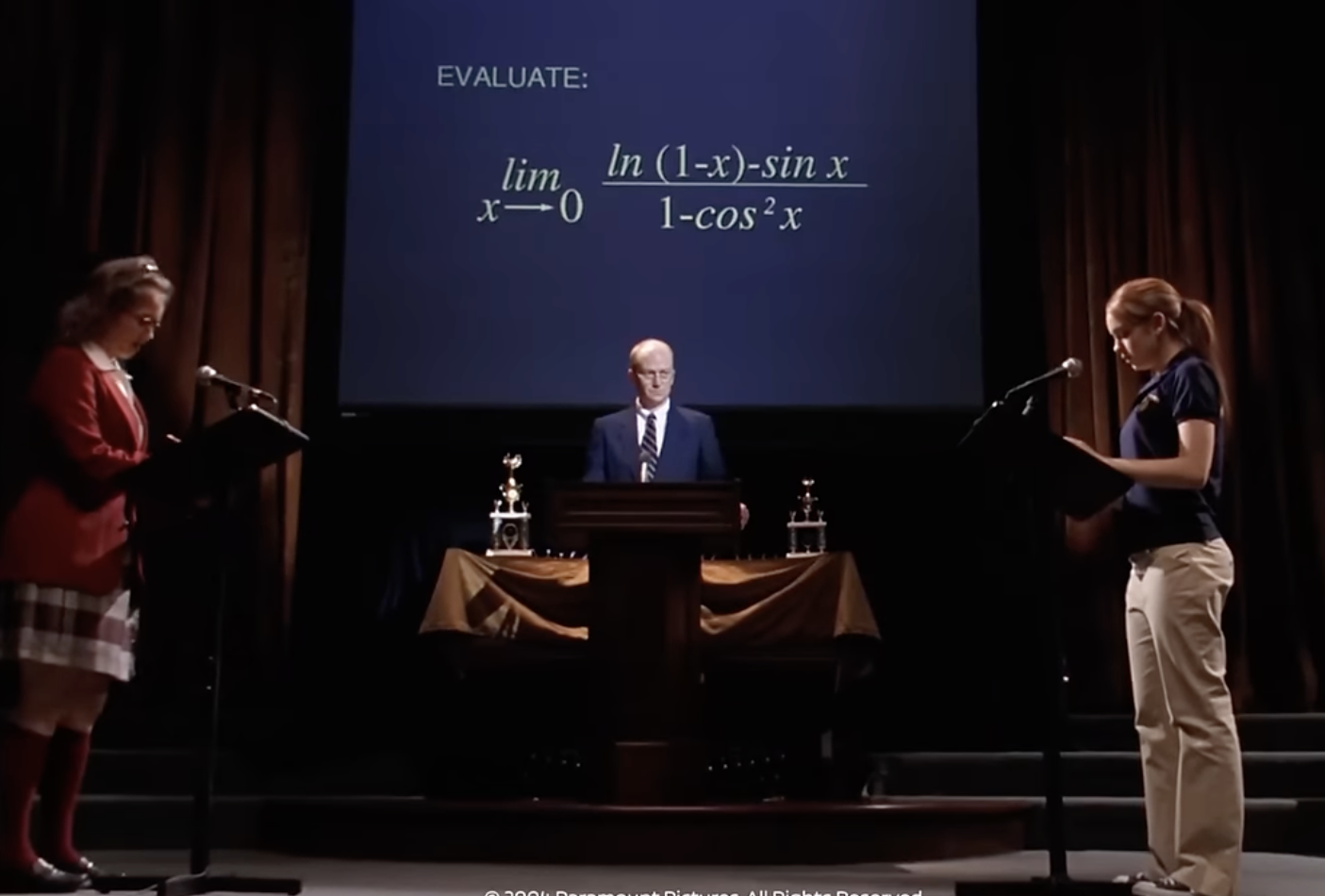
And it suddenly hits her:
“Calling somebody else fat won't make you any skinnier. Calling someone stupid doesn't make you any smarter. And ruining someone else’s life doesn’t make you any happier. All you can do in life is try to solve the problem in front of you.”
What does all that negativity get you?
Zero.
(you can find the scene here )
Mean Girls
I don’t really know what other disciplines are like, but paleontology has a strong Mean Girls energy. I’d say it’s like high school, but that’s not really fair. We were idiots sure but the behavior I saw as a kid in a small town in rural Alaska was far less cruel, far kinder, and far more mature than what I’ve seen in the ivory tower of academia. Vertebrate paleontology is toxic. It’s overrun by grandiose narcissists, malignant narcissists, sociopaths, maybe a few outright criminals. Malicious gossip, smear campaigns, and false complaints are rampant.
I had a colleague who was literally mobbed to death, and as far as I know, none of the perpetrators ever suffered any consequences. I’ve seen criminal behavior reported and it ended up with a coverup and the person who reported it being retaliated against. The stories I could tell you over a few beers. It would take quite a few beers. And a lot of this toxicity is driven by haters.
Haters and Fanboys
What’s a hater, as opposed to mere critic, even a harsh critic? Haters go beyond just criticizing work and devote huge amounts of energy to attacking people that they have an irrational hatred of, typically people they don’t know.
Tech guy Paul Graham has written perhaps the definitive article on haters, from which I’m borrowing pretty liberally. His taxonomy classifies them as sort of reverse fanboys. You’re probably familiar with fanboys. Fanboys love, and love uncritically. The object of their fandom can do no wrong, and it’s part of the fanboy’s identity, signaled to others; the fanboy reflexively agrees with the object of their fandom on all things.
Meanwhile, the hater hates and hates uncritically, the object of their hate can do no right, and it’s part of the hater’s identity, signaled to others. They reflexively disagree with the object of their hate. Neither the fanboy or the hater really know the object of their adoration or hatred, which allows them to project onto them good characters or bad characteristics they don’t really have, or invent things outright; they’re idealized positively or negatively, ideal heroes or villains.
But why do haters exist? Haters are haters because they’re losers.
They’re bitter and jealous because they feel life didn’t give them what they think they deserve and gave it someone else instead. But the causality goes both ways.
Yes, they’re haters because they’re losers. But they’re also losers because they’re haters. Because being a hater makes it almost impossible to do truly great work. It takes you away from the problem at hand- you and your life.
Going back to Mean Girls, tearing down other people is energy that won’t go towards making your life any better. The energy you focus on trying to find flaws in others is energy and attention that could be directed towards identifying flaws in your own work and your own life and making it better. More broadly if you focus on all that’s wrong in the world you will not see what’s beautiful, or wonderful- or the possibilities, the endless possibilities.
But that self-reflection doesn’t happen because the hater is fundamentally immature, stuck at a high-school stage of development, similar to the fanboy. Like the fanboy stuck in childish admiration, the hater (the hateboy?) cannot grow up. Because growing up means responsibility, and the hater doesn’t want to look in the mirror and accept responsibility for their own mediocrity. The hater is stuck in a stage of arrested development, like a child expecting things to be handed to them, rather than growing up and accepting they’re now responsible for their own life, and their own progress- or lack thereof. They have refused to recognize that they are where they are because of their own choices; that they have not applied themselves in the right way, or diligently enough, or they made mistakes. Instead they hate on other people who have accomplished something, out of jealousy, arguing that person’s success isn’t earned. Haters are worse than fanboys. Whereas fanboys are merely annoying, haters can be truly toxic and destructive.
You don’t have to like everyone’s work or like everybody as people. There is an important place for legitimate criticism. But criticism should be constructive not destructive, and we need to reserve our harshest criticism - and also our most constructive criticism - for our own work and ourselves.
I don’t claim to have all the answers and god I’ve done some spectacularly dumb things in my life; I’ve made mistakes. But part of what I’m trying to do here is explain how I do what I do- and maybe you can borrow a few tricks from me, as I have borrowed tricks from others. And maybe avoid some of the pitfalls.
Personally, I don’t want haters. Obviously. But I hope I don’t ever get fanboys either. I appreciate the many kind and generous and sometimes effusive comments on my online lectures, but the best compliment someone could pay me, or anyone they really appreciate— their favorite musician, their favorite author or artist, the creator of their favorite show— is to find some inspiration and go out and create something good. Part of the reason I go into such detail in how my research is done, mistakes and dead ends and all, when I write or lecture, is that I’d like people to think, “hell, I could do that too.” Is it hard? Yeah. But most of science is just skills- analyses, photography, writing, thinking like a scientist is a skill too- and skills can be learned with practice. Most bright undergraduates can write a descriptive paleontology paper. You could too.
I was something of a fanboy of my professor in college. Michael Sugrue. I just admired the hell out of him. I even started speaking like him, picking up his mannerisms. I eventually stopped following him around in the classics (I took four of his courses) and went to major in biology, but I have adopted much of his teaching philosophy and to the extent what I do works it’s mostly by employing his tricks, and he taught me to think critically. But to be like your heroes you can’t just follow them around like a puppy. You have to find your own path.
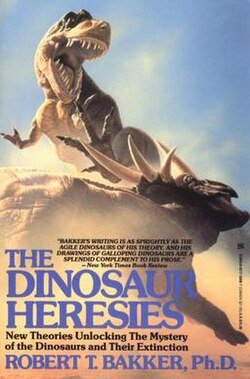
I was kind of a fanboy of Bob Bakker, too, and when I finally met him- during high school I traveled to a conference in Wyoming where he was talking- he was a dick to me. This is not a call out or anything. It sort of disillusioned me. At the time I thought I’d never be a paleontologist. But in the end I was, I still found and find inspiration in his work, probably more as I’ve matured as a scientist. And if I wandered off into other territories for a while, I still became a scientist, maybe it made me a better scientist.
You don’t have to admire someone uncritically to be inspired and it’s probably better you don’t. I’d never have been able to act on the inspiration of Bakker's work if I couldn’t also be critical of it.
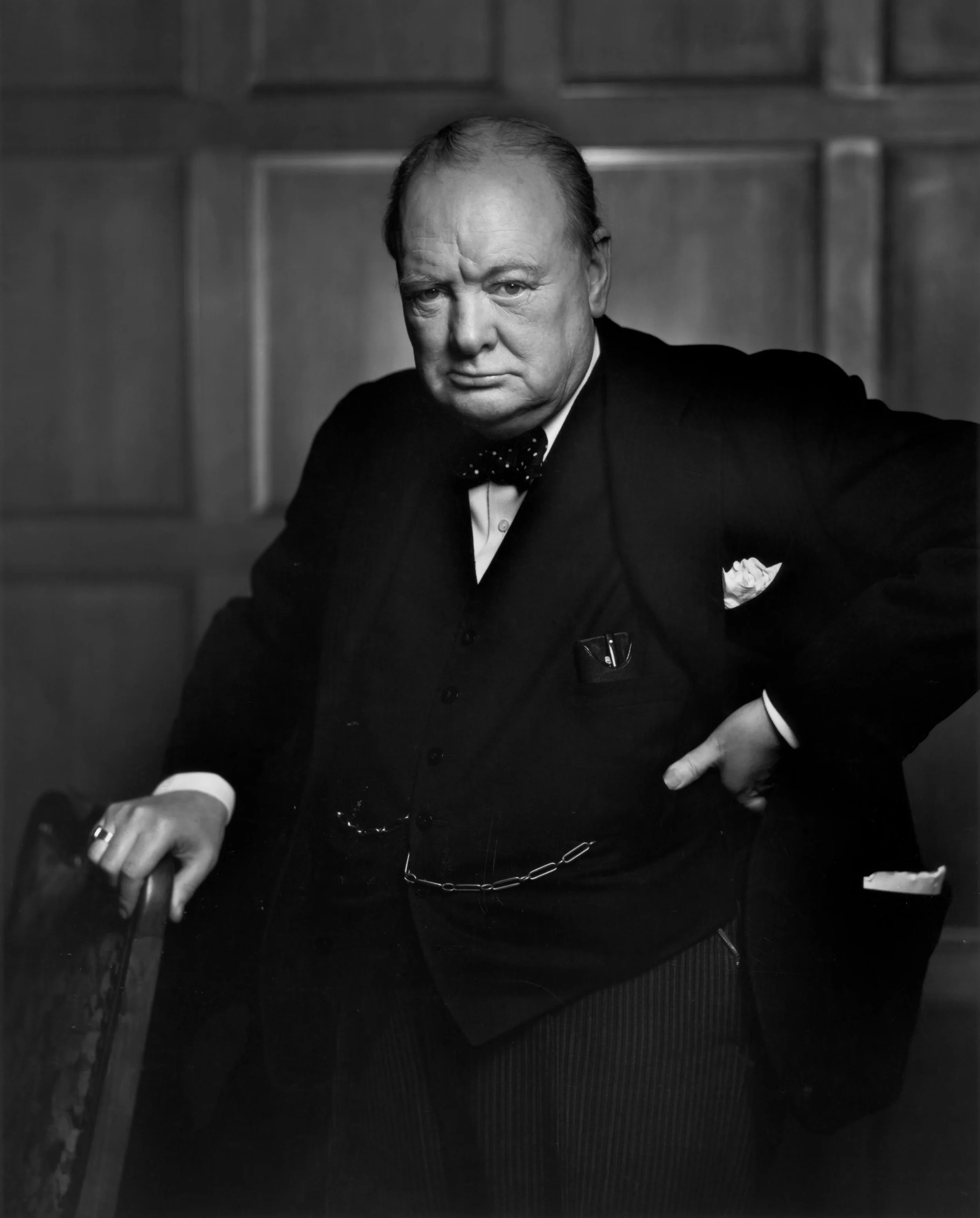
I don’t think any of my heroes- Cormac McCarthy or Steve Jobs or Bob Dylan or Winston Churchill or Darwin or Luis Alvarez or Terry Gilliam or Philip K. Dick or Enrico Fermi or Taylor Swift- were or are perfect: but that also says, hey, you don’t have to do everything perfectly or be perfect to do great things.
I have seen people with remarkable talent in writing and art get caught in the fan trap of drawing other people’s characters or setting stories in other peoples worlds and I remember thinking… you’re so incredibly talented. Why don’t you write your own characters? Why don’t you create your own world and your own stories?
And I also have gotten caught in the trap of hating on people. I wrote an undergrad essay that was rather scathing in criticism of a scientist I disagreed with, and Rosemary Grant chewed me out. Which was truly awful, because she’s the sweetest person on earth so even mild criticism from her makes it clear you really screwed up. And I have avoided being overly disparaging in my papers ever since. You can say you disagree without being a jerk about it. Peter Grant put it this way: there are two ways to stand up above everyone else. Build yourself up, or tear everyone else down. It should be obvious that the first might make you great in a relative sense, only the first creates really great work, great in the absolute sense.
And if you are jealous of someone, or think they just suck, the best way to spite them is to go out and do better work than them. If they suck so bad, well, surely you can do better? So go... do better. Don’t tear them down. Show them up. But I worry that we have become something of a culture of fanboys and haters. People who consume to love or to hate. And I think that is a sad thing.
Because I don’t think we were meant to be consumers. In the hunter gatherer tribes we evolved in, there were no singers or dancers or craftsmen. Everyone created. Everyone sang together, danced together. All the men made weapons and tools, all the women made clothing and necklaces.
I believe we are instinctively meant to be creators, not consumers.
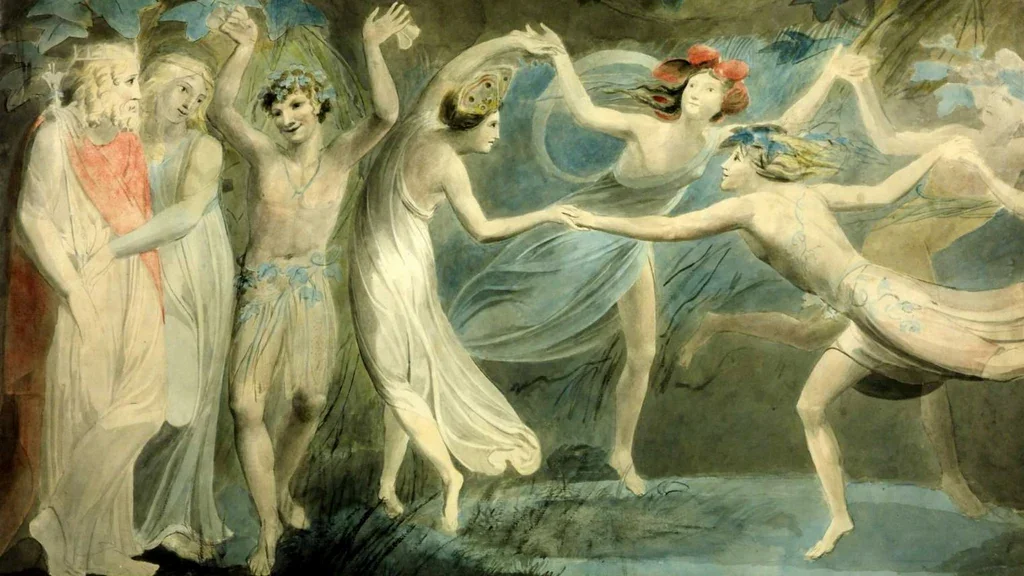
So grow up. Move out of your parents basement metaphorically, and if necessarily, literally. Be a creator and not a consumer, not a fanboy, or a hater. It is easier than it’s ever been to learn a skill- woodworking, photography, drawing, public speaking, publishing scientific papers. Stop consuming. Start building.
Or as William Shatner famously said, get a life!

Like, I love the original Star Wars trilogyor the first two Star Trek seasons. But people shouldn’t get too caught up in this stuff either. One of my favorite movies is Galaxy Quest because it’s about the positive side of fandom. The aliens pick up transmissions from a Star Trek-like TV show and they are inspired to action - they are annoyingly obsessed with the TV show's stars, but they also build starships and create a better, more idealistic civilization. And in the same way, the creators of the movie, clearly huge fans, took their love of Star Trek and made a great movie - arguably the best Star Trek movie other than Wrath of Khan- out of their fandom.
So stop hating. Hating someone doesn’t make you better at what you do, and hating someone you think is a bad person doesn’t make you a good person. It does not help science progress, or make the world a better place. It makes the world smaller, more petty, crueler, uglier, dumber. And don’t hang out with people like that, either. They’ll suck you into their bitterness and mediocrity along with them. Misery loves company after all: they don’t want you to succeed, but to join them in their misery.
And stop idolizing. Admiring someone good doesn’t mean you’re a good person or make you better. Putting them on a pedestal makes you think you can’t be like them.
Go out.
Do.
Create.ˆ
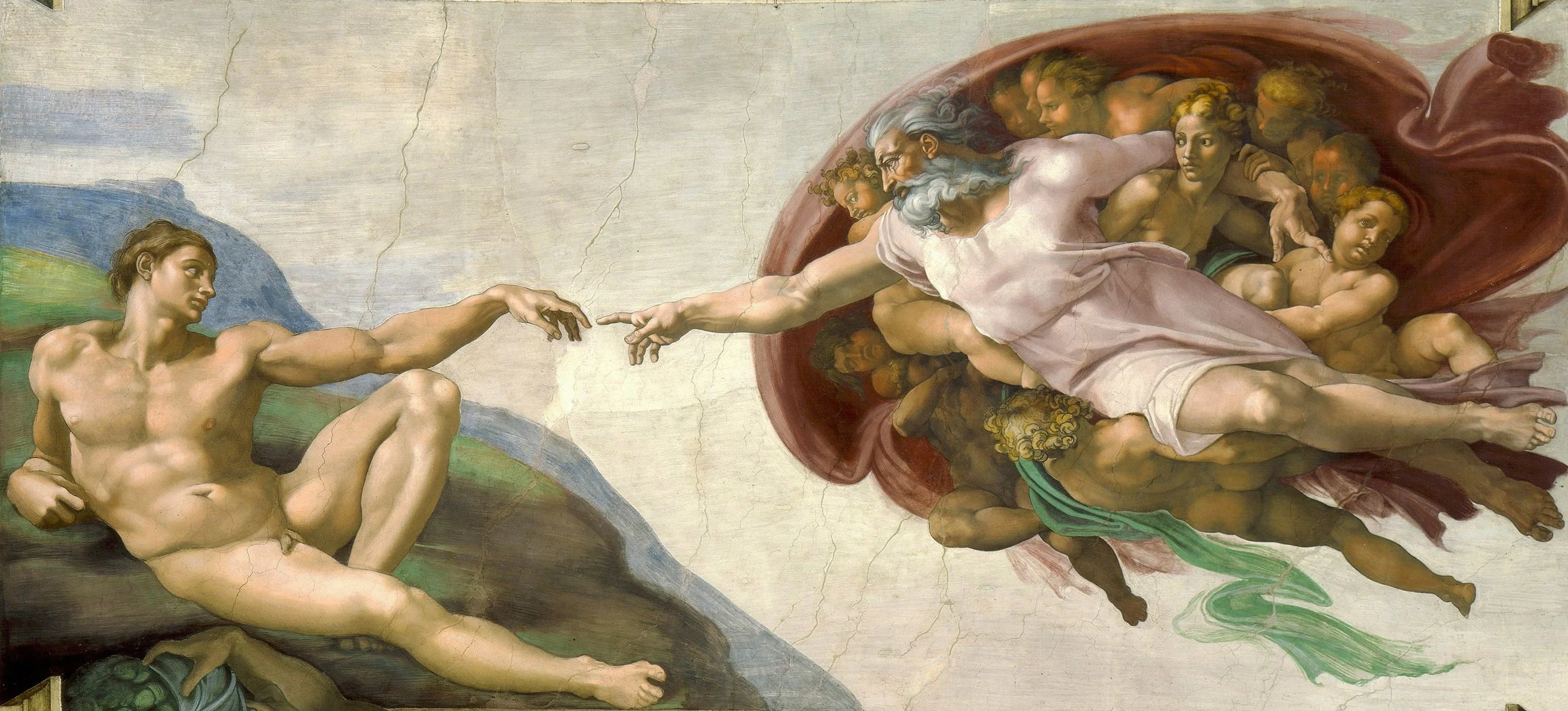
The limit isn’t zero, it’s how much you’re willing to devote to your craft.
The limit is infinity.